SM‑SOS Operations
SM‑SOS is a smart marine operations system that demonstrates how real‑time diagnostics, predictive intelligence, and structured execution work together in live operational conditions.
Explore how anomalies are detected, risks are predicted, and operational response is executed — all within a controlled, system‑driven environment.
Operational Scenario
Every event inside SM‑SOS follows a structured operational loop: Detect → Predict → Execute → Measure
Anomaly detection is not treated as an isolated alert. It becomes the starting point of a controlled operational pathway where every condition is evaluated, escalated, and resolved within a defined operational model.
This ensures consistency, clarity, and measurable outcomes across all operational scenarios.
Operational Flow
Detect → Predict → Execute → Measure
A structured flow that transforms uncertainty into controlled execution.
System Dashboard
This is not just data visualization.
It is the operational decision layer — where every metric reflects a real system condition and every alert triggers a structured response.
Live System Behavior
Normal → Warning → Critical
Each state represents a defined level of operational risk — enabling controlled escalation and timely response.
Controlled response is activated
A structured response path is triggered, and the required inspection or maintenance action becomes active.
This ensures the system transitions from detection to execution without delay.
Alert & Response System
LiveSystem Response
ControlledSystem Log
AutoField Log
ExecutionExperience SM‑SOS at System Level
What you see in this simulation represents the execution layer.
Explore the platform architecture — where diagnostics, workflows, and predictive intelligence are unified into one operational system.
Field Evidence from Real Operations
SM‑SOS is built from real diagnostics, incident response, and field engineering cases.
Every workflow reflects actual operational behavior and measurable performance outcomes.
Generator #3 Calibration
RPM and frequency stabilization after overhaul.
Blanca Vessel Reprogramming
Data correction and ECU reconfiguration.
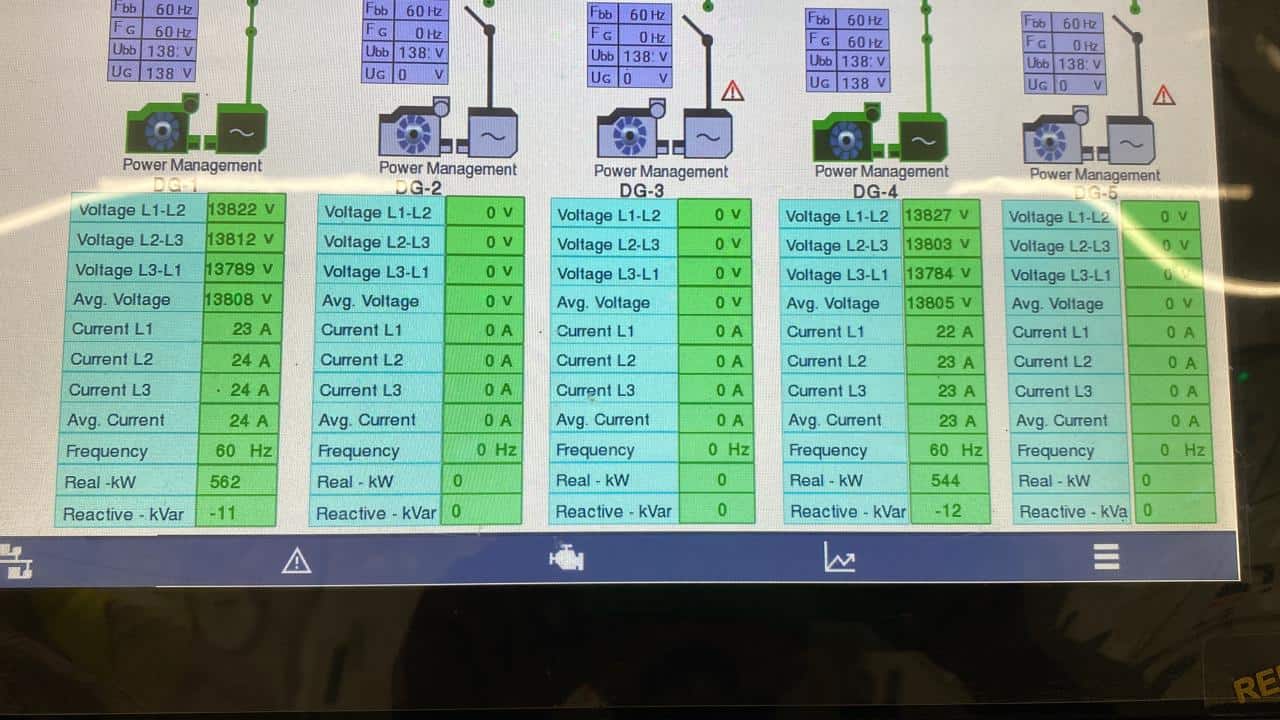
NEOM DG‑1 to DG‑4
Post‑incident diagnostics and operational analysis.
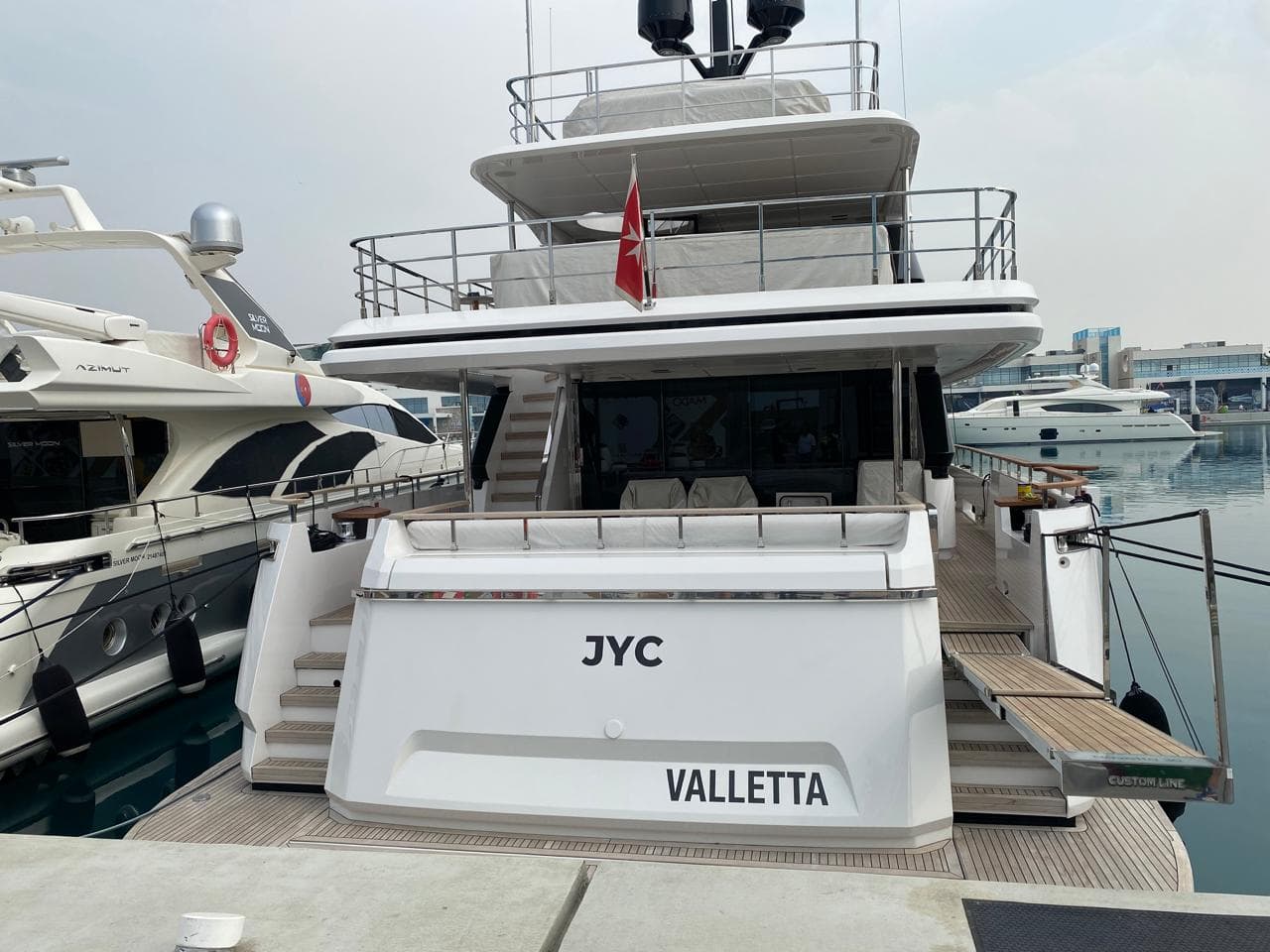
JYC Spare Parts Logistics
Coordinated marine delivery operations.
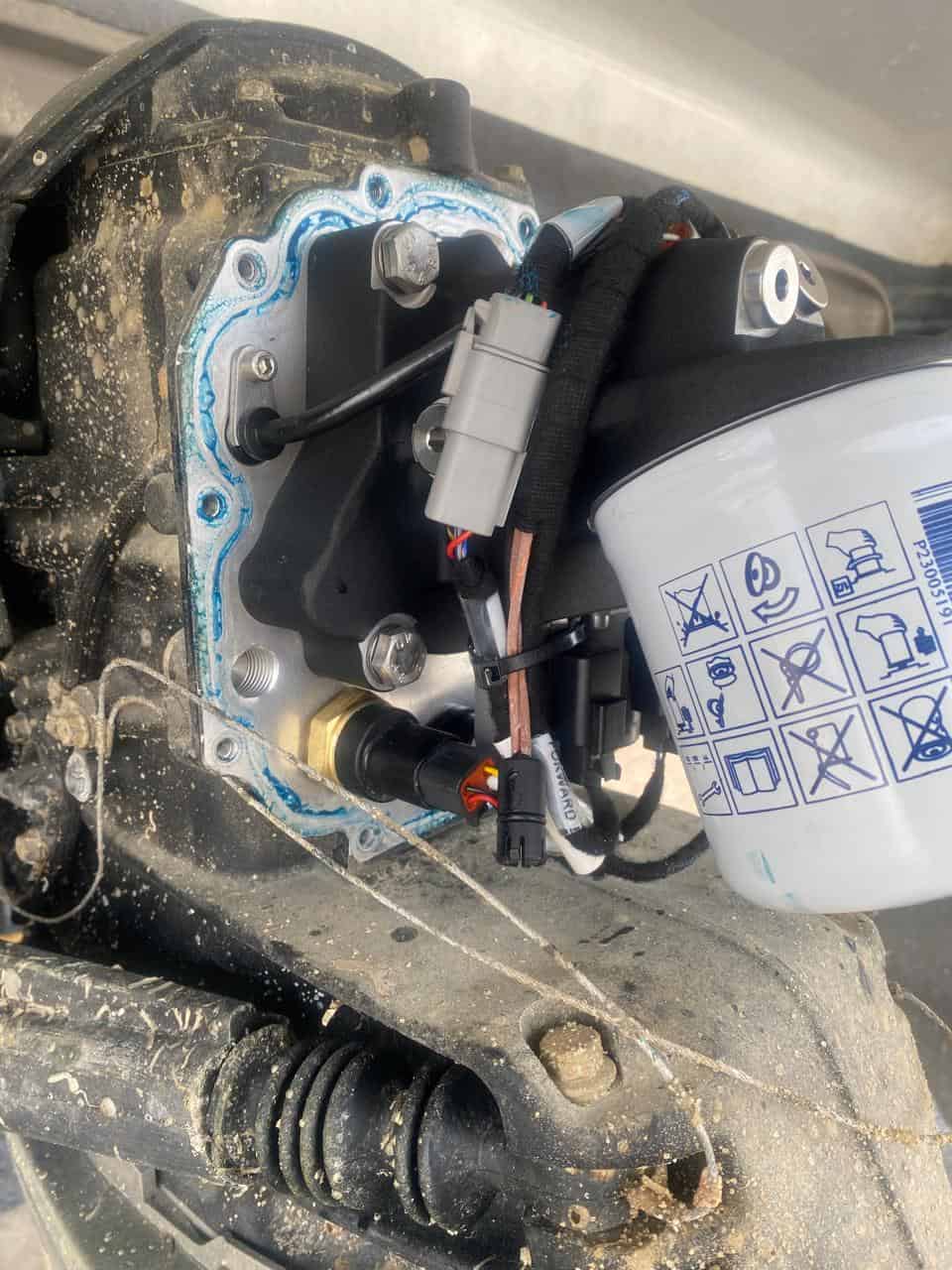
Stern Drive Service
Mechanical restoration and system optimization.
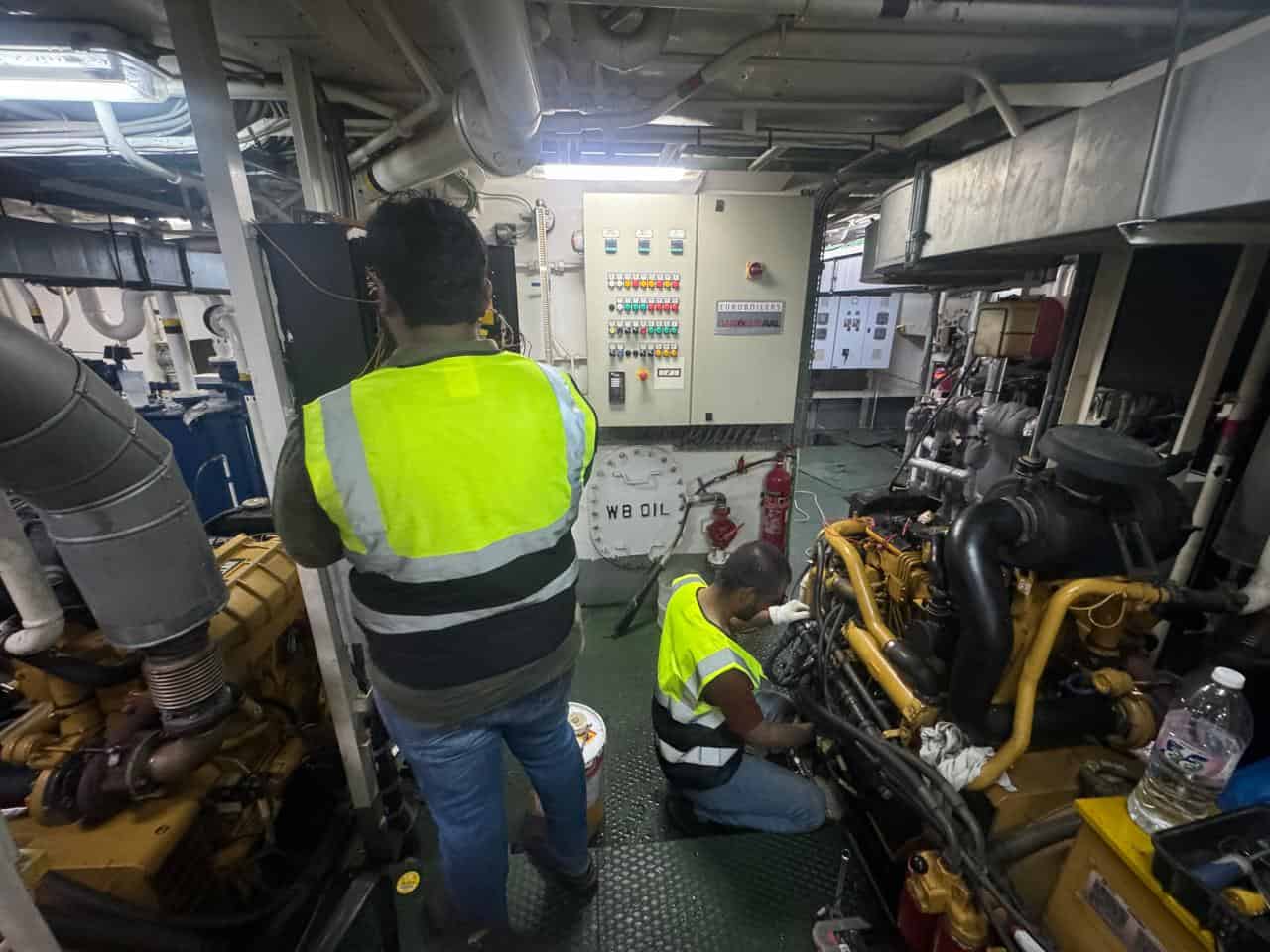
Engine Room Coordination
Live operational execution under active conditions.
Generator #3 Calibration
RPM & Frequency Stabilization
Operational Context
Generator #3 exhibited unstable engine speed under load.
Actions Performed
- Engine overhaul
- Governor calibration
- Step‑load testing
Results
- Stable frequency
- Consistent RPM
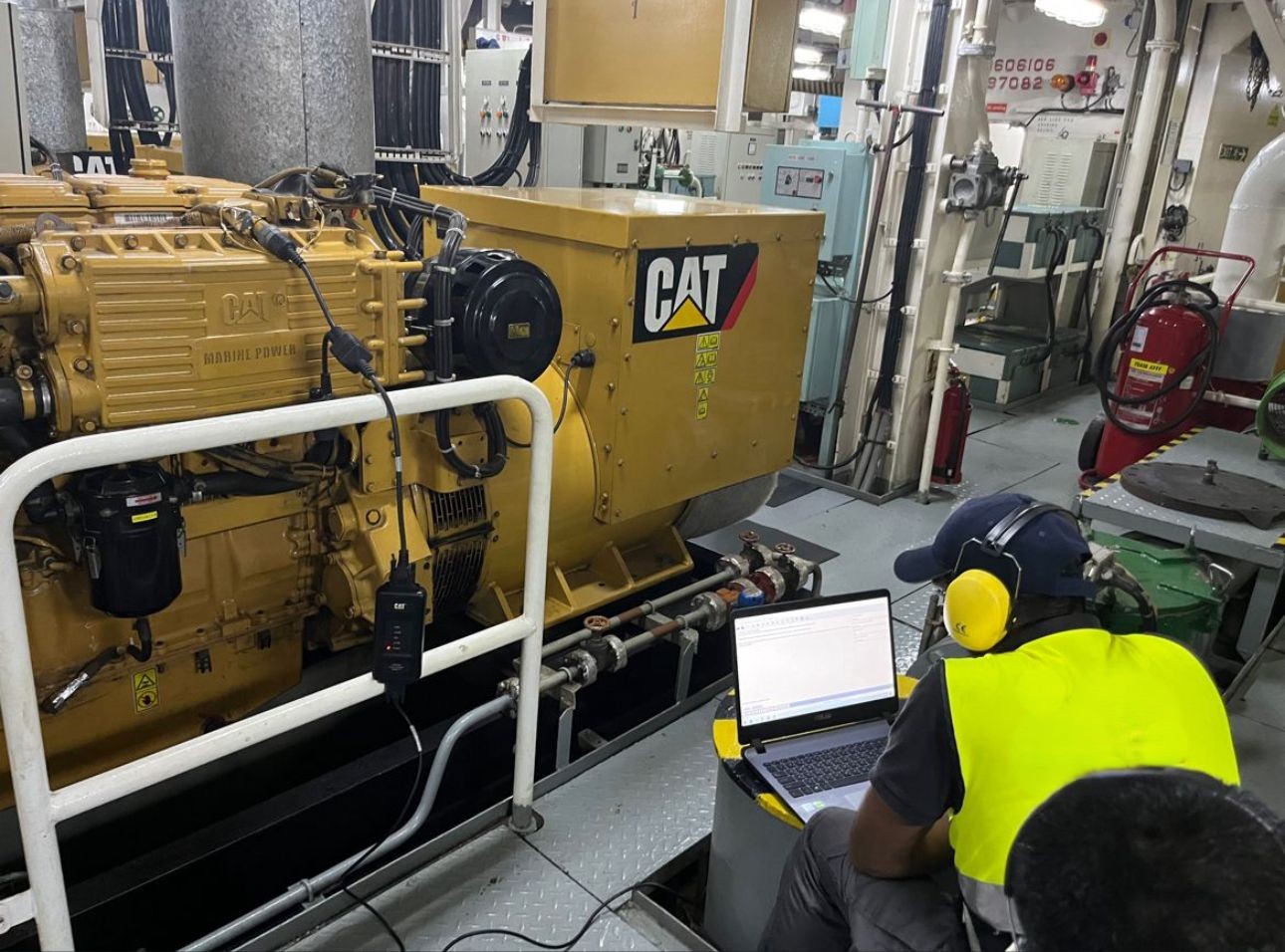
Blanca Vessel – ECU Programming
Operational Context
Blanca had incorrect operational data for years.
Actions Performed
- Data correction
- ECU programming
- RPM validation
Results
- Compliance restored
- Stable RPM
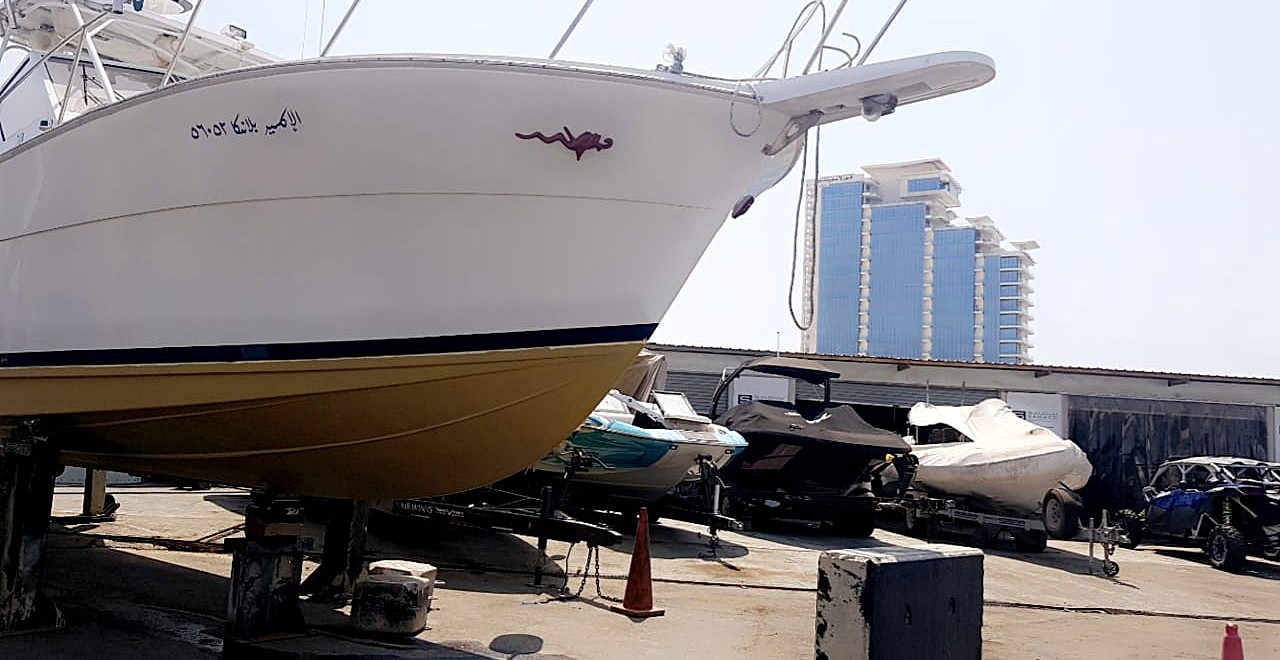
NEOM DG‑1 to DG‑4 – Post‑Fire Analysis
Operational Context
Fire incident affecting multiple DG units.
Actions Performed
- Data review
- Trend analysis
- On‑site inspection
Results
- Root cause identified
- Preventive recommendations
Spare Parts Logistics via JYC Yacht
Operational Context
Marine logistics for spare parts.
Actions Performed
- Periodic parts planning
- Marine delivery
Results
- Improved readiness
Stern Drive System – Mechanical Service
Operational Context
Stern drive required mechanical intervention.
Actions Performed
- Component inspection
- Part replacement
Results
- Improved propulsion
Engine Room Coordination
Operational Context
Live engine room coordination.
Actions Performed
- Role assignment
- Live monitoring
Results
- Stable operational performance
- Validated team‑based engine room model